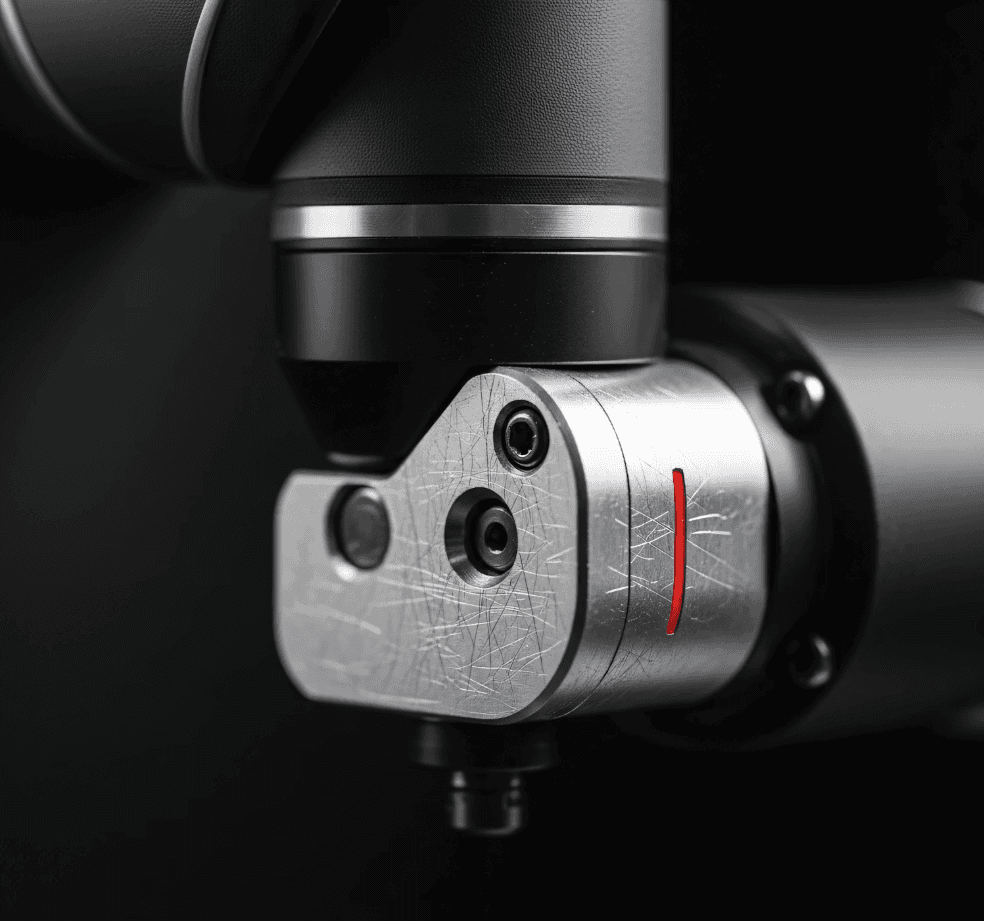
Hardware package solutions
Powering Technology.
Delivering Strategy.
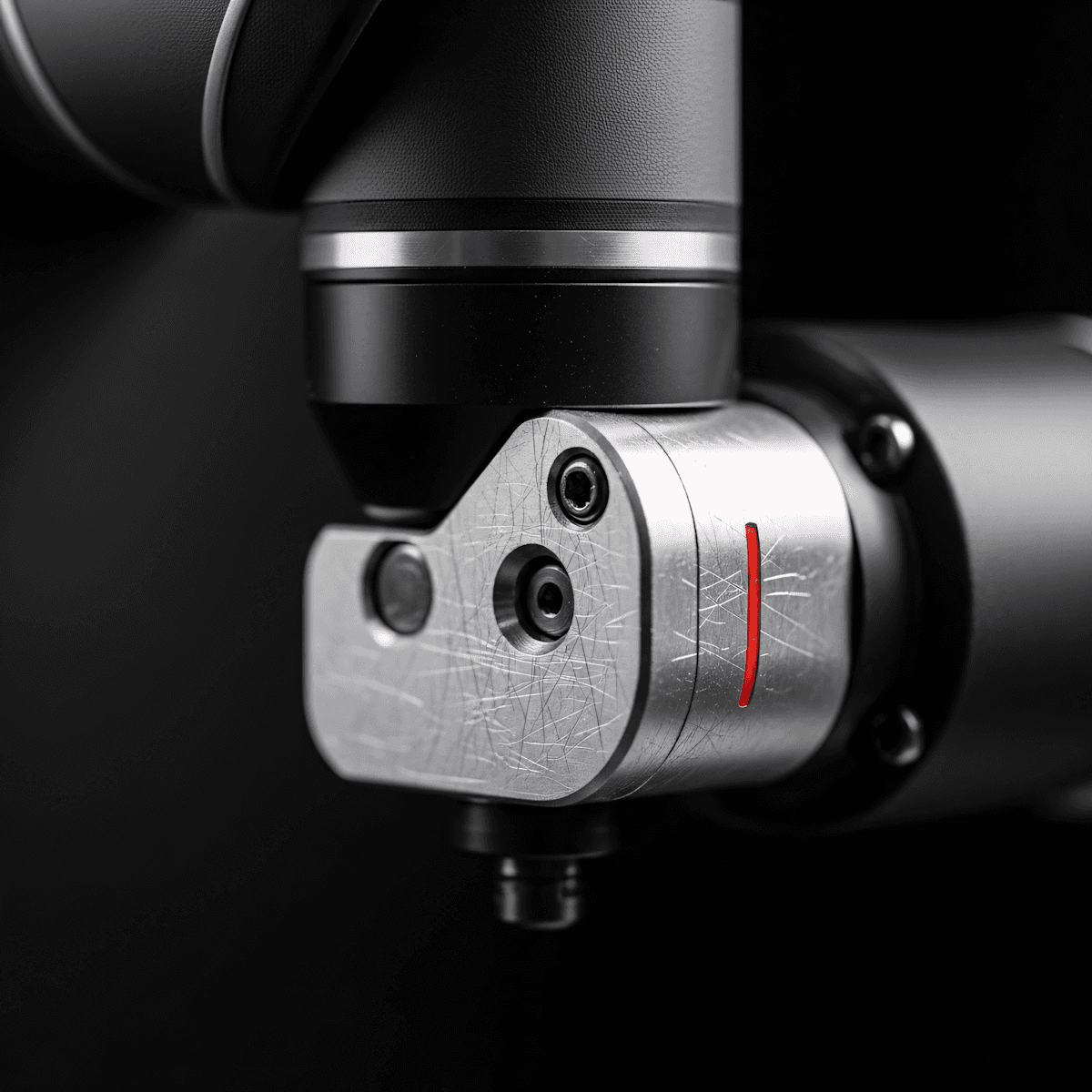

Instant Credibility
Our consultants support startups, enterprises, and manufacturers across high-impact industries where reliability, performance, and precision matter.


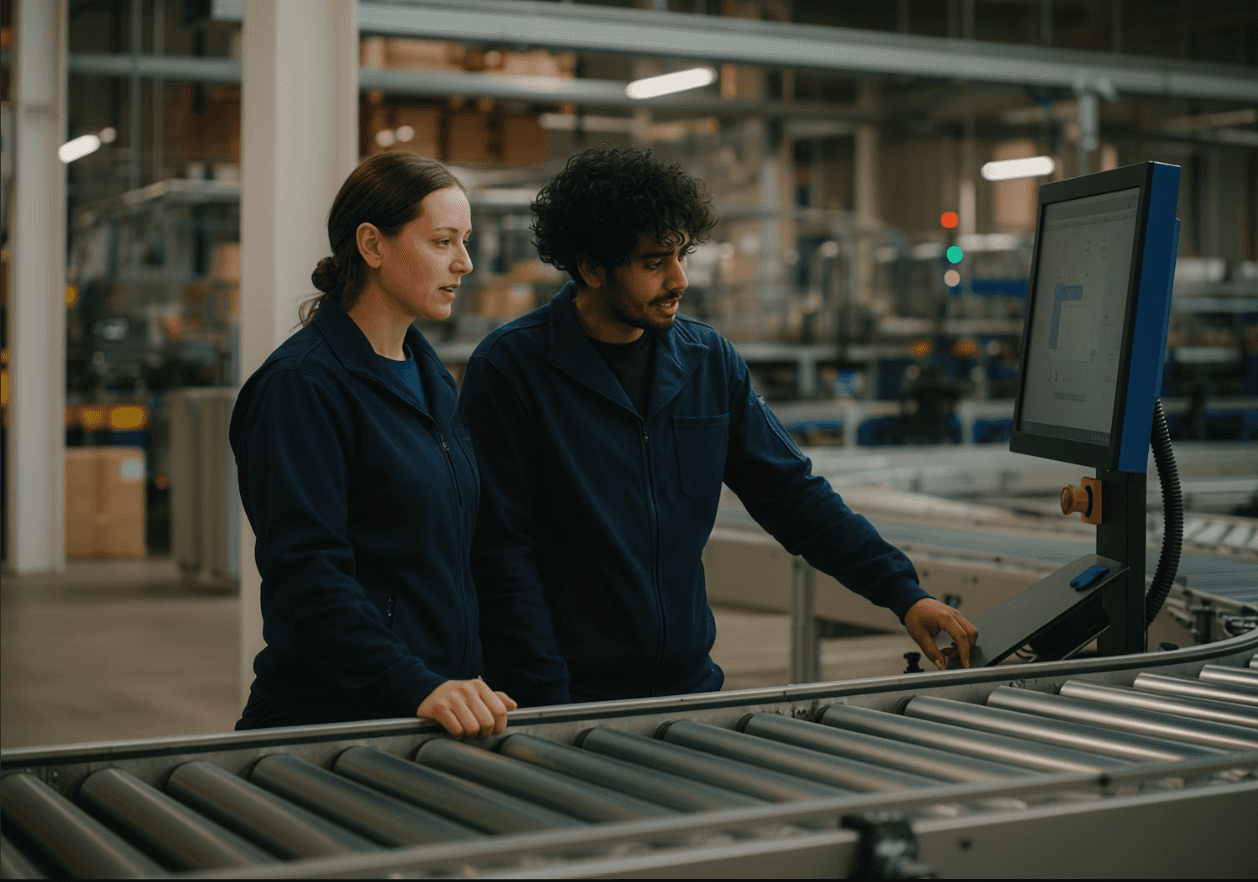
Instant Credibility
Our consultants support startups, enterprises, and manufacturers across high-impact industries.

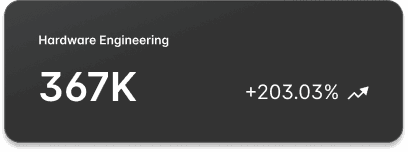
Hardware Engineering
We engineer resilient hardware ecosystems designed for the rigorous demands of modern manufacturing. From rapid prototyping to full-scale production oversight, our team ensures your physical infrastructure is as intelligent and scalable as your software.






Studio news
Updates from our work and progress.
Read our latest insights, updates, and announcements to stay informed about what we are building, exploring, and improving.

Undefined Min Read Time
The Future of AI Startups
Artificial intelligence is no longer a futuristic concept. It has become a foundational layer of modern business, reshaping how companies operate, compete, and grow. For startups, this shift presents both a massive opportunity and a new set of challenges. The future of AI startups will not simply be about building smarter models. It will be about solving real problems, moving faster than incumbents, and earning trust in an increasingly automated world.
From hype to utility
The early wave of AI startups focused heavily on demonstrating what was possible. Today, the market is maturing. Investors and customers are no longer impressed by novelty alone. They want clear value. Startups that succeed will be those that embed AI into practical workflows such as sales, customer support, logistics, healthcare, and finance.
This shift means less focus on generic tools and more focus on vertical solutions. Instead of building another general AI assistant, founders are now creating highly specialized systems that deeply understand a single industry.
The rise of AI native companies
A new generation of startups is being built as AI native from day one. These companies are not adding AI as a feature. AI is the product, the team member, and often the core operational engine.
This changes everything. Teams can stay smaller while achieving more. Founders can validate ideas faster. Entire departments can be replaced or augmented by intelligent systems. As a result, the barrier to entry is lower, but the speed of competition is much higher.
Data becomes the real moat
In the past, technology itself was often enough to differentiate a startup. In the AI era, models are increasingly accessible. What truly sets companies apart is their data.
Startups that can collect, refine, and leverage unique datasets will build defensible advantages. This could come from proprietary user interactions, industry specific insights, or integrations that competitors cannot easily replicate.
The future winners will not just build AI. They will build ecosystems that continuously improve their AI.
Trust and regulation will shape growth
As AI systems become more powerful, concerns around privacy, bias, and reliability are growing. Governments are starting to introduce regulations, and customers are becoming more cautious.
Startups that prioritize transparency and ethical design from the beginning will have a significant edge. Trust will become a competitive advantage, not just a compliance requirement.
Clear communication about how data is used and how decisions are made will be essential for long term success.
The shift toward human AI collaboration
Despite fears of automation replacing jobs, the more likely future is collaboration. The most effective startups will design systems that enhance human capabilities rather than replace them entirely.
This means building interfaces that are intuitive, explainable, and adaptable. It also means understanding that users do not just want automation. They want control, insight, and confidence.
Startups that strike this balance will see stronger adoption and retention.
Faster cycles, higher expectations
AI dramatically accelerates product development. What used to take months can now take days. This creates a new reality where iteration speed is critical.
However, faster development also leads to higher expectations. Users expect continuous improvement, seamless experiences, and immediate value. Startups must build processes that allow them to ship quickly without sacrificing quality.
The next wave of opportunity
Looking ahead, several areas stand out as particularly promising:
AI agents that can autonomously complete complex tasks
Personalized AI systems tailored to individual users or businesses
Industry specific copilots that deeply understand niche workflows
Infrastructure tools that simplify building and deploying AI applications
The space is still wide open, but it is becoming more competitive by the day.
Final thoughts
The future of AI startups is not just about technology. It is about execution, focus, and trust. Founders who understand their users deeply and solve meaningful problems will stand out in a crowded market.
AI is lowering the cost of building, but raising the bar for impact. The startups that thrive will be those that move beyond the hype and create real, lasting value.

Undefined Min Read Time
AI Startups in 2026: Speed Wins
AI startups are entering a phase where speed matters more than ever. With powerful tools widely available, the real advantage is no longer access to technology but how quickly teams can turn ideas into usable products.
The fastest growing startups are those that launch early, gather feedback, and iterate constantly. Instead of chasing perfection, they focus on momentum. This approach allows them to stay ahead in a market where competitors can appear overnight.
Another key shift is the move toward lean teams. AI enables founders to automate tasks that once required entire departments. This means startups can operate efficiently while scaling faster than traditional businesses.
In this environment, execution beats ideas. The winners will not be those with the most ambitious visions, but those who can deliver consistent value at high speed.

Undefined Min Read Time
Building Trust in AI First Startups
As AI becomes central to products and services, trust is becoming the defining factor for startup success. Users are no longer just asking what a product can do. They are asking whether they can rely on it.
Startups that prioritize transparency will stand out. This includes explaining how AI makes decisions, how data is handled, and where limitations exist. Clear communication builds confidence and reduces friction in adoption.
There is also a growing demand for ethical AI. Businesses and consumers alike are paying closer attention to bias, privacy, and accountability. Startups that address these concerns early will gain a long term advantage.
In the future, the most successful AI startups will not just be intelligent. They will be trusted partners in everyday workflows.